
Valerian Side Effects: Grogginess, Vivid Dreams & What to Know
Valerian is one of the safest, best-tolerated herbs for sleep. In clinical research, people taking valerian reported side effects no more often than people taking a placebo, and most people who drink it as a tea notice nothing but calm, restful sleep.* [1] [2] When side effects do happen, they are mild: occasional grogginess, vivid dreams or a dry mouth. Valerian is not addictive and does not cause the dependence linked to prescription sleep drugs. Here is the complete picture
The common mild side effects
For most people, valerian has no noticeable side effects at all. The few occasionally reported include:
- Next-morning grogginess, usually only with large doses or concentrated extracts, rarely with a cup of tea.
- Vivid or memorable dreams, which many people enjoy (more on this below).
- A dry mouth.
- Mild stomach upset or headache in a small number of people.
At tea strength, these are uncommon. Concentrated valerian capsules are far more likely to cause them than a blended tea. A meta analysis of valerian trials found that side effects were no more common with valerian than with placebo. [1]
Does valerian make you groggy the next morning?
Rarely, and almost never at tea strength. Valerian calms your nervous system by amplifying GABA, the brain's natural calming signal, rather than knocking you out like a sedative drug, so most people wake rested, not foggy.* [3] If you ever notice morning grogginess, drink your cup a little earlier in the evening.
Does valerian cause vivid dreams?
Some people report more vivid or memorable dreams, and it is harmless. Many people find it a pleasant sign of deeper sleep. If vivid dreams bother you, drink your tea a little earlier or alternate nights with a chamomile-led blend.
Can valerian make you feel more awake instead of sleepy?
In a small minority of people, yes. A few react to valerian with a mild, alert, restless feeling instead of relaxation. It is uncommon, and if that is you, a lavender or rooibos blend such as Quiet Mind Tea is a beautiful caffeine-free alternative.
Can valerian give you brain fog or make sleep worse?
For the vast majority of people, no. Valerian improves sleep quality.* [4] [2] Brain fog is usually linked to too high a dose of concentrated extract, not a cup of tea. Only the small group who experience the alert reaction above may find it unhelpful for sleep.
Is valerian addictive? Does it cause dependency or tolerance?
No. Valerian is not addictive. It does not cause the physical dependence or withdrawal associated with prescription sleeping pills, so you can stop any time without rebound insomnia. [2] In fact, valerian's benefits tend to build with regular nightly use over two to four weeks.* [1]
Will valerian make me feel drugged?
No. Valerian is a gentle, plant-based calming herb, not a sedative drug. It helps you feel relaxed and ready for sleep, not heavily medicated.* If you ever feel more than pleasantly relaxed, you are likely using a concentrated supplement rather than a tea.
Does valerian interact with medications?
It can, and this is the most important safety point. Because valerian is calming, it can add to the effects of sedatives, sleeping pills, anxiety medication and alcohol. If you take any of these, or any other medication, check with your doctor before using valerian regularly.
Who should avoid valerian?
Skip valerian or check with your doctor first if you are pregnant or breastfeeding, are buying for a child, take sedative, sleep, or anxiety medication, have a liver condition, or are scheduled for surgery (stop valerian about two weeks beforehand).
What about the taste and smell?
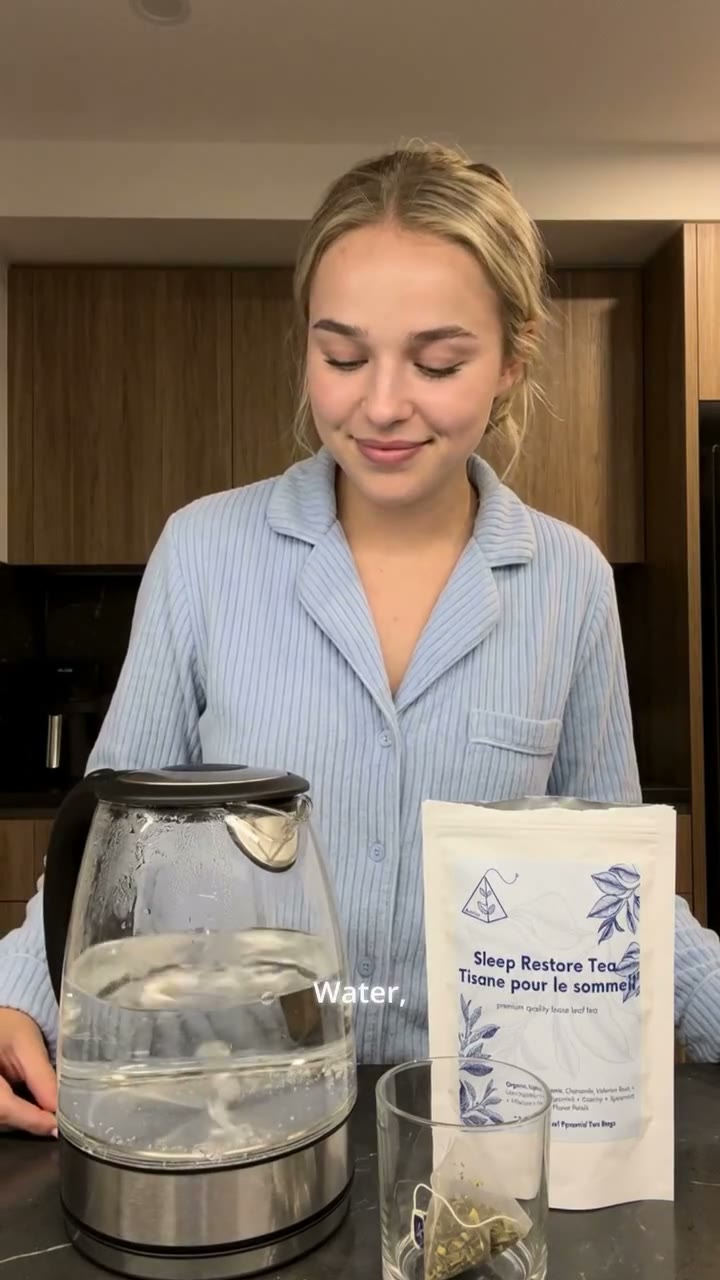
Valerian root has a strong, earthy aroma on its own. That is why the best valerian teas blend it with brighter herbs. In Sleep Restore Tea, chamomile, peppermint, spearmint, lemongrass and a touch of stevia leaf balance it into a smooth, pleasant cup you will look forward to every night.
The bottom line
Valerian is safe, gentle and well tolerated for most people, with rare, mild side effects and no addiction risk. Two things are worth knowing: a small minority feel more alert rather than sleepy, and valerian can add to the effect of sedative medication, so check with your doctor if you take any. Enjoyed as a blended tea, it is one of the most trusted natural sleep herbs in the world. Learn how it works in Valerian Root Tea for Sleep.
Frequently asked questions
Does valerian have side effects?
Rarely, and they are mild: occasional grogginess, vivid dreams, dry mouth, or, in a small minority, feeling more alert. In clinical research, side effects were no more common than with a placebo.
Is valerian addictive?
No. Valerian does not cause dependence or withdrawal, and you can stop any time without rebound insomnia.
Does valerian make you groggy?
Almost never at tea strength. If you notice it, drink your cup a little earlier in the evening.
Can valerian make sleep worse?
For most people, valerian improves sleep quality.* A small minority react with an alert feeling, in which case a lavender or rooibos blend is a better fit.
Who should not take valerian?
Anyone pregnant, nursing, taking sedatives or sleep medication, with a liver condition, or due for surgery should avoid it or check with their doctor first.
References
1. Bent S, Padula A, Moore D, Patterson M, Mehling W. Valerian for sleep: a systematic review and meta-analysis. Am J Med. 2006;119(12):1005-1012.
2. Shinjyo N, Waddell G, Green J. Valerian root in treating sleep problems and associated disorders: a systematic review and meta-analysis. J Evid Based Integr Med. 2020;25:2515690X20967323. https://journals.sagepub.com/doi/10.1177/2515690X20967323
3. Benke D, Barberis A, Kopp S, et al. GABA A receptors as in vivo substrate for the anxiolytic action of valerenic acid, a major constituent of valerian root extracts. Neuropharmacology. 2009;56(1):174-181. https://pubmed.ncbi.nlm.nih.gov/18602406/
4. Leathwood PD, Chauffard F, Heck E, Munoz-Box R. Aqueous extract of valerian root (Valeriana officinalis L.) improves sleep quality in man. Pharmacol Biochem Behav. 1982;17(1):65-71. https://pubmed.ncbi.nlm.nih.gov/7122669/



Leave a comment
This site is protected by hCaptcha and the hCaptcha Privacy Policy and Terms of Service apply.