Bergamot
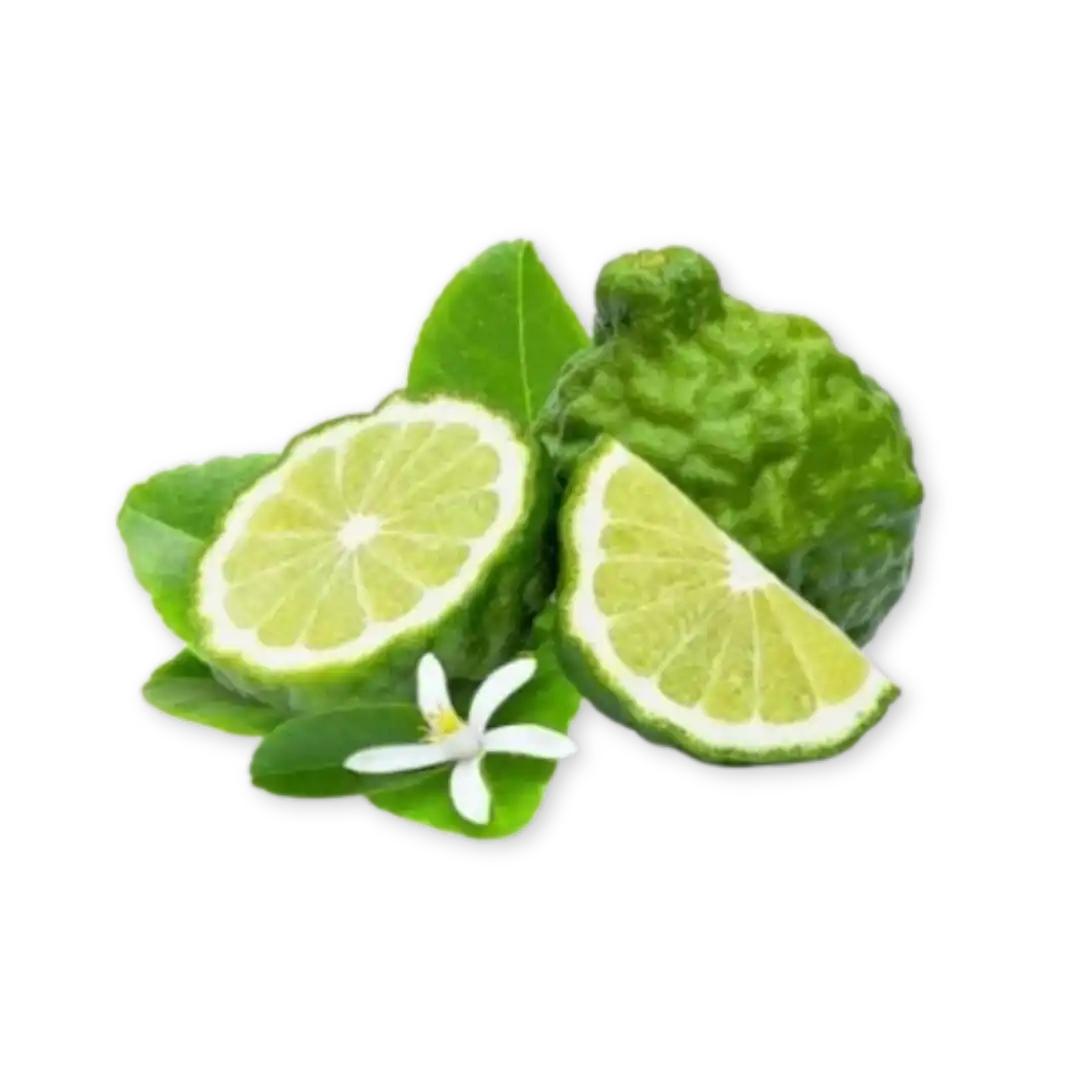
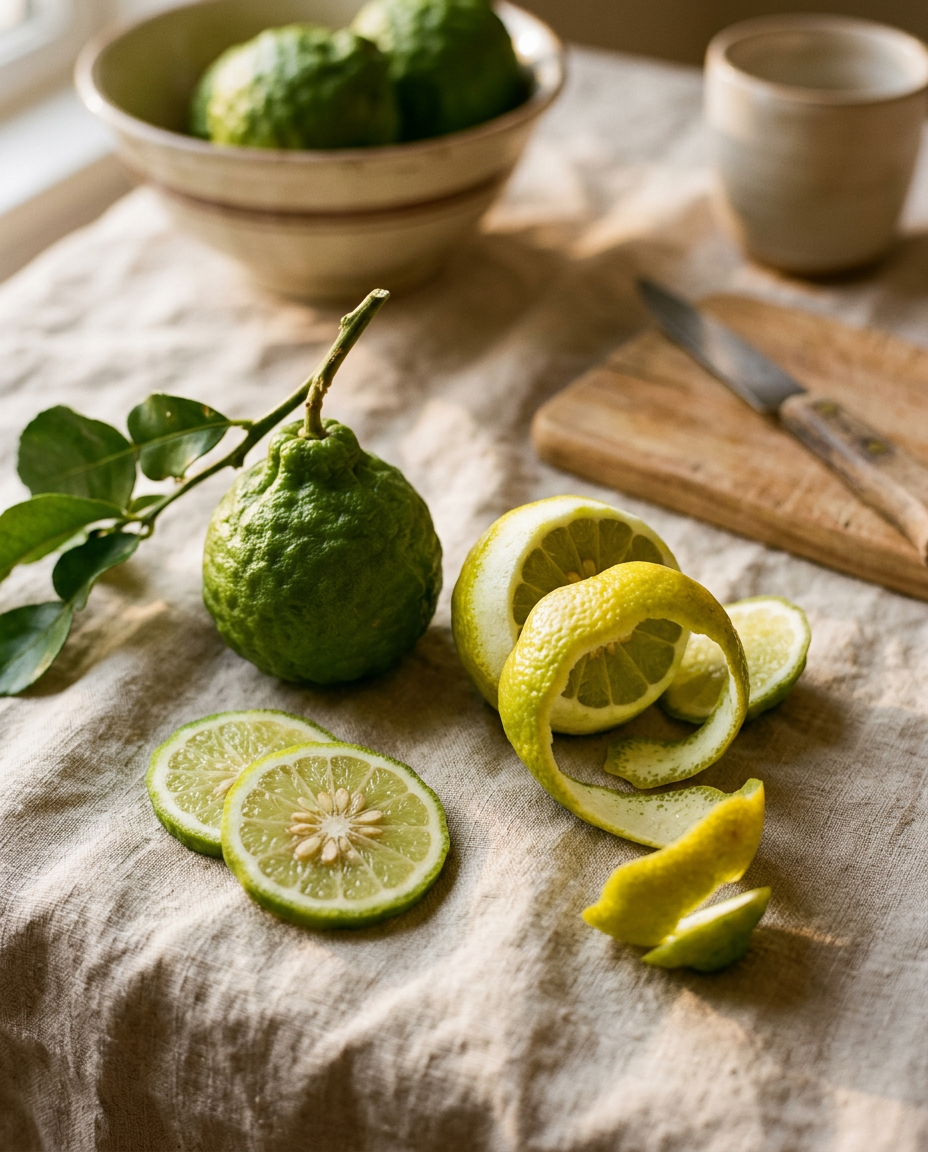
Bergamot (Citrus bergamia) is a fragrant citrus, a hybrid of bitter orange and lemon, grown mainly in the Calabria region of southern Italy. Its essential oil, cold-pressed from the peel, gives Earl Grey its signature aroma, and in tea it is used as a flavouring. The scent comes mainly from linalool and linalyl acetate, with limonene as the largest single component. Clinical research on bergamot oil focuses on aromatherapy for stress, while cholesterol research uses polyphenol extracts of the fruit, a different part of the plant taken as a supplement.
Benefits of Bergamot

Gives Earl Grey its signature citrus aroma

Rich in aromatic compounds linalool and linalyl acetate

Its aroma is studied for easing stress and lifting mood
Bergamot fruit extracts are studied for cholesterol support
Key Nutrients
Bergamot is used in tea as a flavouring, in very small amounts, so it is not a source of vitamins or minerals. Its value is in its aromatic compounds, listed under Bioactive Components.
Bioactive Components
Limonene: The largest single component of bergamot essential oil (25 to 53%).
Linalyl acetate: A major aroma compound (15 to 40%), and with linalool one of the main sources of citrus oil flavour.
Linalool: A floral aroma compound (2 to 20%) that shapes bergamot's scent.
Bergapten (5-methoxypsoralen): A natural furocoumarin in bergamot oil. It makes the oil phototoxic on skin and is the compound linked to muscle cramps in a case of excessive Earl Grey drinking.
Why Drink Bergamot in Your Tea Blends?
Bergamot is what makes Earl Grey taste and smell like Earl Grey. Here's what the research shows, and where its limits are:
The Signature Earl Grey Aroma: Bergamot oil's bright, floral citrus scent comes from linalool and linalyl acetate, the compounds that give citrus oils their characteristic flavour.
A Calming Scent: In a crossover trial, 41 women who inhaled bergamot oil vapour for 15 minutes had lower salivary cortisol than at rest, higher parasympathetic (rest and digest) activity, and better scores for anxiety, negative mood, and fatigue.
Studied for Cholesterol Support: In a review of 12 human studies, most found bergamot supplements lowered total and LDL cholesterol. These used concentrated fruit polyphenol extracts, not the oil that flavours tea, and study quality was limited.
Best Enjoyed in Normal Amounts: One published case linked very heavy daily Earl Grey drinking to muscle cramps from bergapten; they eased when the man kept to 1 litre a day or less.
The aroma research involved inhaling the oil, and the cholesterol research used fruit extract supplements. Neither has been tested in bergamot-flavoured tea.
Scientific Evidence
Your Cart


Your cart is empty
Looks like you haven't added any teas or mugs yet. Let's fix that.