

Oolong Tea
Oolong tea comes from the same plant as green and black tea, Camellia sinensis, but its leaves are only partly oxidised, which places it between the two. Partial oxidation turns some of the leaf's catechins into polymerized polyphenols, which have been studied for their effect on dietary fat absorption. A cup also carries caffeine. Traditional Chinese belief holds that oolong helps control body weight, and it is one of the few teas tested directly in human metabolism studies. The results are real but modest.
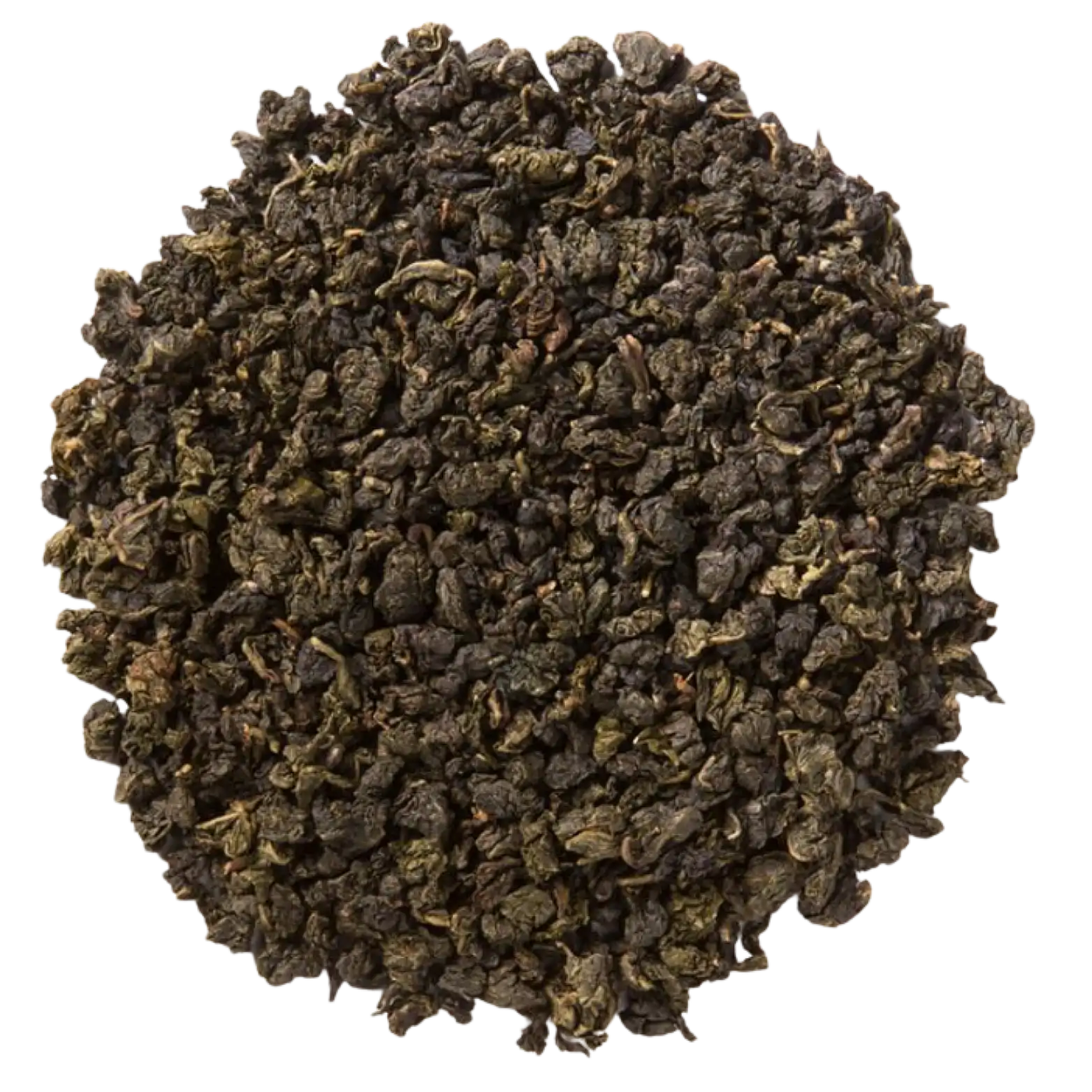
Benefits of Oolong Tea

Studied for a modest rise in daily energy use

Studied for increased fat burning

May reduce absorption of dietary fat

Linked to lower risk of high blood pressure

Studied for blood sugar support in type 2 diabetes

A natural source of manganese
Key Nutrients
Brewed tea is not a significant source of most vitamins and minerals. Manganese is the exception — published analyses find it in meaningful amounts.
Manganese: Supports antioxidant enzymes, bone formation, and energy metabolism. Ti Kuan Yin oolong was among the teas analysed.
Good to know: tea's polyphenols reduce absorption of iron from plant foods. If iron is a concern, enjoy your tea an hour or more after meals.
Oolong Tea's Bioactive Components
Polymerized polyphenols: Formed during oolong's partial oxidation. Oolong enriched with these polyphenols increased the fat excreted from a high-fat diet.
Catechins: The leaf's original polyphenols, partly preserved because oolong is only partly oxidised.
Caffeine: The main driver of oolong's effect on energy use; caffeine alone produced a similar rise in the key metabolism study.
Why Drink Oolong Tea in Your Tea Blends?
Oolong gives a blend a smooth, floral base and a steady lift, with honest, measured human research behind it. Here's why it earns its place:
Supports an Active Metabolism: Men drinking oolong brewed from 15 g of leaf a day (five strong servings) used 2.9% more energy over 24 hours. Caffeinated water alone produced a similar rise, so caffeine does much of the work.
Supports Fat Burning: Fat oxidation was 12% higher on full-strength oolong than on water. A later trial found oolong increased fat burning without changing total energy use or disturbing sleep.
Helps Reduce Dietary Fat Absorption: On a high-fat diet, oolong enriched with extra polyphenols roughly doubled the fat excreted compared with placebo.
Linked to Healthy Blood Pressure: Taiwanese adults who drank 120 mL or more of green or oolong tea a day for a year had a significantly lower risk of developing high blood pressure.
Studied for Blood Sugar Support: In adults with type 2 diabetes taking medication, 30 days of oolong lowered blood sugar compared with water. The evidence is mixed: a Japanese cohort linked very high oolong intake to higher diabetes risk.
Contains caffeine. The metabolism studies used large daily amounts; one cup delivers a much smaller effect.
Scientific Evidence
Your Cart


Your cart is empty
Looks like you haven't added any teas or mugs yet. Let's fix that.