
Moringa for Breastfeeding: Does It Boost Milk Supply?
Moringa is one of the most popular herbs for breastfeeding, and there is research behind it: a systematic review found that moringa increased breast milk volume in the trials analyzed. Its leaves are also remarkably nutrient-dense, rich in iron, calcium, protein, and vitamins, all of which a nursing body needs more of. [1] [2]
Moringa (Moringa oleifera), sometimes called the drumstick tree or "malunggay" in the Philippines, has been a traditional food for new mothers across South and Southeast Asia and Africa for generations.
How Moringa Supports Breastfeeding
1. Milk Volume
In a systematic review of clinical trials, moringa increased breast milk volume in mothers who took it, compared with those who did not. [1] It is one of only a handful of galactagogues with controlled trials behind it.
2. Nutrition for a Nursing Body
Moringa leaves are rich in protein, calcium, iron, potassium, and vitamins A and C, along with antioxidant polyphenols such as quercetin. [2] Breastfeeding raises your needs for many of these, and iron in particular is often low after birth.
3. Antioxidant Support
Moringa's quercetin and chlorogenic acid are well-studied antioxidants [2], a gentle bonus for a body recovering from birth.
Moringa Tea, Powder or Capsules?
|
Form |
Best for |
|
Moringa tea |
A gentle daily ritual with extra fluid, often blended with other lactation herbs |
|
Moringa powder |
Stirring into smoothies or oatmeal |
|
Capsules |
Concentrated doses, as used in studies (ask your provider about dose) |
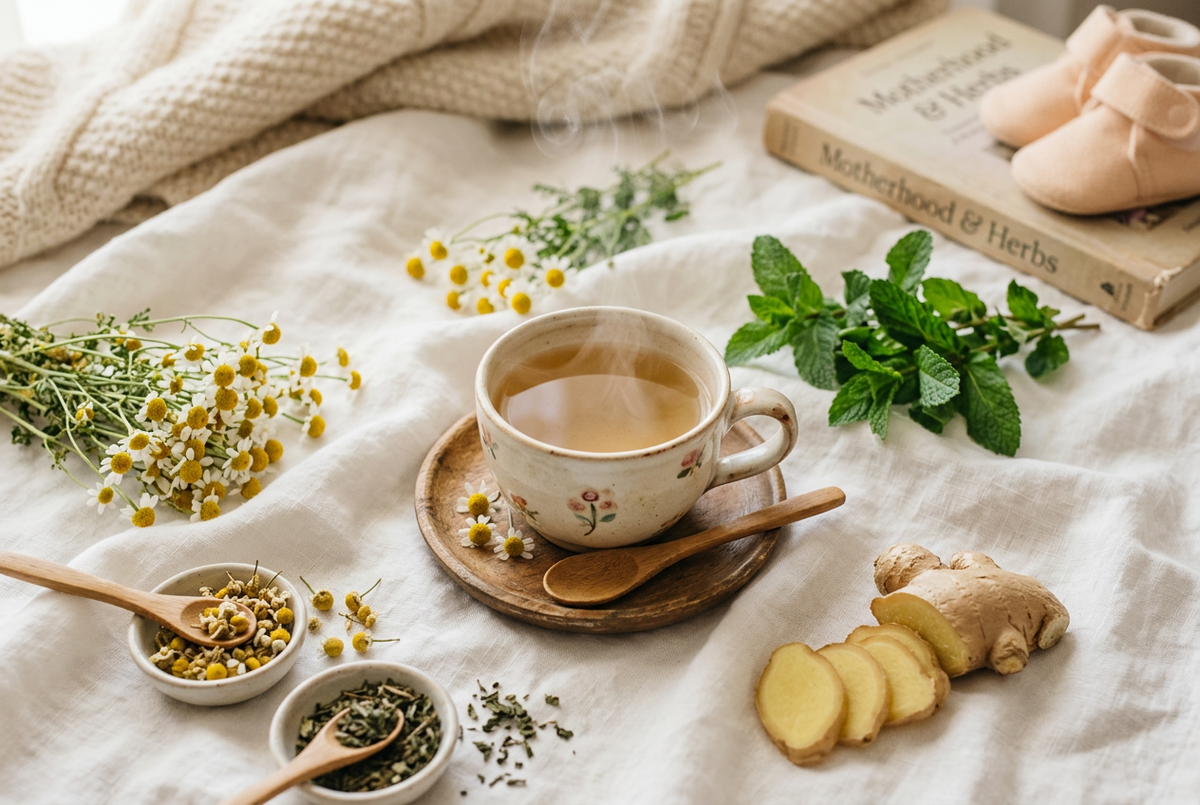
A tea blend is the gentlest daily option, and combining moringa with fenugreek and milk thistle brings three studied herbs into one cup.
Milky Moon: Moringa in a Lactation Tea
Milky Moon combines moringa with fenugreek and milk thistle, the three most studied herbs for milk supply, in a caffeine-free cup made for the nursing months. Drink 2 to 3 cups a day. More in Lactation Tea: Does It Work?
Is Moringa Safe While Breastfeeding?
Moringa leaf has a long history of food use by nursing mothers, and no serious side effects were reported in the breastfeeding trials. [1] Keep to food and tea amounts, and:
- Use leaf, not root or bark. Moringa root and bark are not for use while pregnant or nursing.
- Avoid in pregnancy unless your provider advises otherwise.
- Check with your doctor if you take blood pressure, diabetes, or thyroid medication, as moringa may affect blood sugar and blood pressure.
- Watch your baby. Stop if your baby seems unusually unsettled.
How to Get the Most From Moringa
- Drink it consistently, 2 to 3 cups a day, for at least a week or two.
- Pair it with frequent milk removal: 8 to 12 feeds or pumps in 24 hours in the early weeks. See How to Increase Milk Supply.
- Eat well and drink to thirst.
The Avodah Moment: Nourish the Nourisher
Avodah means devotion and service. Every feed draws on your body's reserves: your iron, your calcium, your energy.
Today, put something back. Brew a warm cup, sit down for the next feed, and let your body be nourished while it nourishes. You are not just making milk. You are recovering too.
You cannot pour from an empty cup. This is where you fill yours.
Frequently Asked Questions
Does moringa increase milk supply?
A systematic review found moringa increased breast milk volume in the trials analyzed. It works best alongside frequent feeding.
Is moringa safe while breastfeeding?
Moringa leaf has a long history of use by nursing mothers, and no serious side effects were reported in trials. Use leaf, not root or bark, and check with your doctor if you take medication.
How much moringa should I take for breastfeeding?
As a tea, 2 to 3 cups a day. For capsules, ask your provider about the dose.
How long does moringa take to work?
Give it at least one to two weeks of consistent daily use.
Is moringa tea or powder better for breastfeeding?
Tea is the gentlest daily option and adds fluid; powder is easy to add to food. Both use the leaf.
Your day. Your tea. Your Avodah Moment.
References
1. Raguindin PF, Dans LF, King JF. Moringa oleifera as a galactagogue. Breastfeed Med. 2014;9(6):323-333.
2. Gopalakrishnan L, Doriya K, Kumar DS. Moringa oleifera: a review on nutritive importance and its medicinal application. Food Sci Hum Wellness. 2016;5(2):49-56.
*These statements have not been evaluated by the Food and Drug Administration or Health Canada. Avodah teas are not intended to diagnose, treat, cure or prevent any disease. If you are pregnant, nursing, taking medication or managing a health condition, speak with your healthcare provider before adding a new herbal tea to your routine.


Leave a comment
This site is protected by hCaptcha and the hCaptcha Privacy Policy and Terms of Service apply.