
Lactation Tea: Does It Work? The Best Tea for Milk Supply
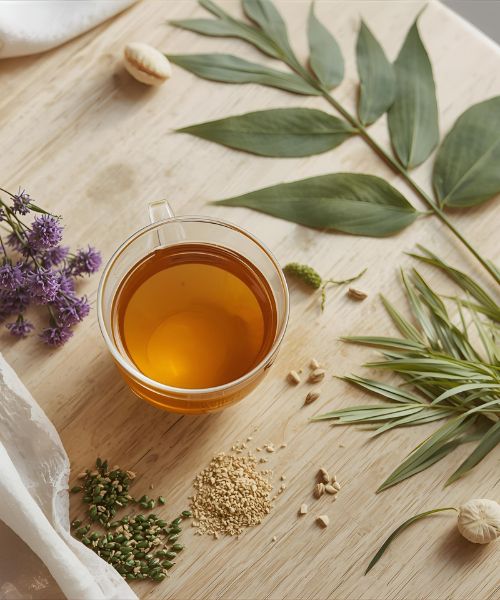
The best lactation teas are built on the three most studied herbs for milk supply: fenugreek, moringa, and milk thistle. Each has clinical research behind it, and when drunk several times a day, a warm lactation tea also adds the extra fluid a nursing body needs.
The research is real. In a randomized, placebo-controlled trial, mothers taking silymarin, milk thistle's active compound, increased daily milk production by 86% over two months, compared with 32% on placebo. [1] A 2018 network meta-analysis found fenugreek increased breast milk volume compared with placebo [2], and a systematic review found moringa increased milk volume in the trials analyzed. [3]
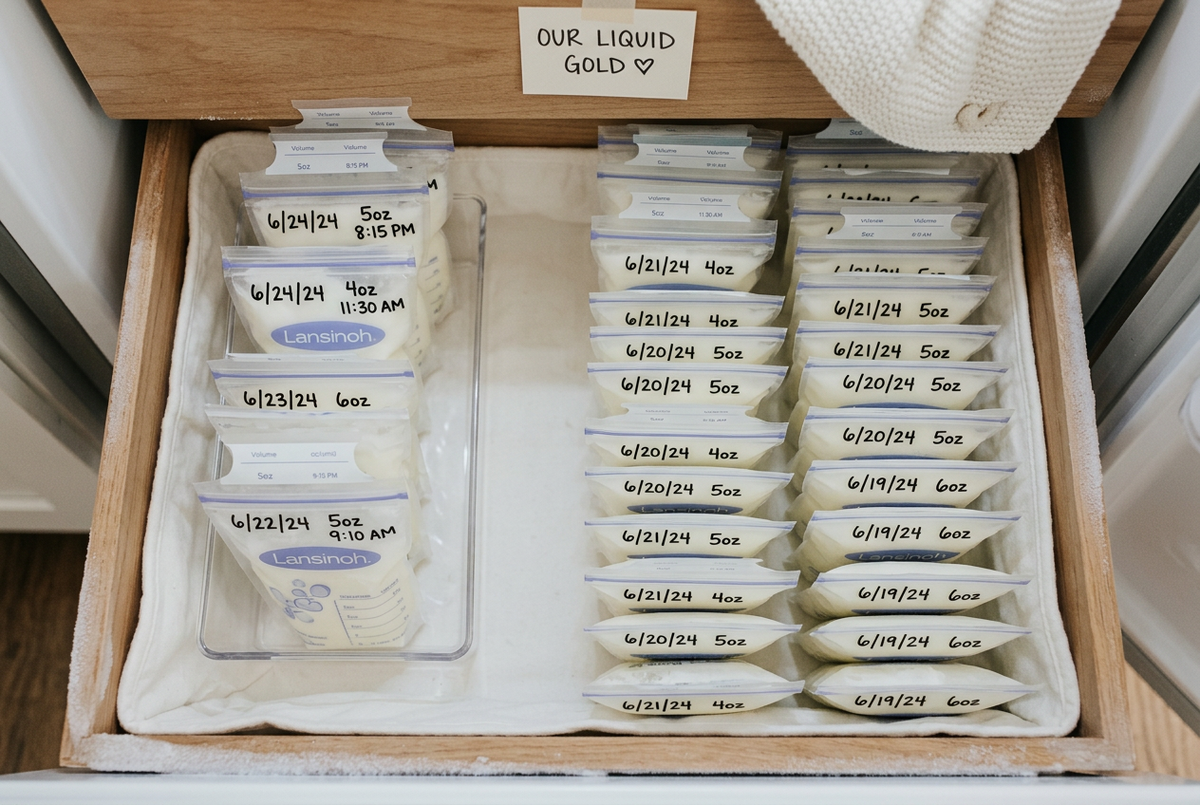
One truth every lactation consultant will tell you: milk supply is driven by milk removal. The more often milk is removed, by baby or pump, the more your body makes. A lactation tea works best alongside frequent feeding, not instead of it. See How to Increase Milk Supply.
What Is Lactation Tea?
Lactation tea is a herbal tea made with galactagogues: herbs traditionally used to support breast milk production. It is often called mother's milk tea or nursing tea. Most are caffeine-free and built around a few well-known herbs.
The 3 Most Studied Herbs for Milk Supply
1. Milk Thistle: The Silymarin Study
Milk thistle's silymarin is one of the best-studied lactation compounds. In the randomized trial above, silymarin raised milk output by 86%, more than double the placebo group, with no side effects reported in mothers or babies. [1]
2. Fenugreek: The Classic Galactagogue
Fenugreek is the most widely used lactation herb in the world. A 2018 network meta-analysis of clinical trials found it increased breast milk volume compared with placebo. [2] More in Fenugreek Tea.
3. Moringa: The Nutrient-Dense Leaf
Moringa leaves are rich in iron, calcium, protein and vitamins, and a systematic review found moringa increased breast milk volume. [3] More in Moringa for Breastfeeding.
Milky Moon: Our Lactation Tea
Milky Moon brings fenugreek, moringa and milk thistle together in one caffeine-free cup for the nursing months. Warm, gentle, and made to sit beside you in the feeding chair.
Want the complete set? The Fourth Trimester bundle pairs Milky Moon with Quiet Mind for calm and Sleep Restore for rest. (Sleep Restore contains valerian, which has very little breastfeeding research, so check with your provider before adding it.)
Does Lactation Tea Work?
For many mothers, yes, as part of the bigger picture. The herbs have clinical research for milk volume, [1] [2] [3] and the warm fluid supports hydration. What it cannot do is replace frequent, effective milk removal. Think of lactation tea as support, alongside:
- feeding or pumping 8 to 12 times every 24 hours in the early weeks
- a good latch, checked by a lactation consultant if feeding hurts
- skin-to-skin time
- rest, food and fluids for you
How to Use Lactation Tea
- Drink 2 to 3 cups a day, spread across the day.
- Brew it strong: 1 heaped teaspoon per cup, just-boiled water, covered, 5 to 7 minutes.
- Keep a cup by your feeding spot. A lidded, insulated mug keeps it warm through a long feed.
- Give it 1 to 2 weeks of consistent use alongside frequent feeding.
When to Start Lactation Tea
After your baby is born. Fenugreek is not recommended during pregnancy. If you are pumping for a NICU baby, returning to work, or noticing a dip, lactation tea is a gentle daily support to add.
Who Should Take Care
- Pregnancy: avoid fenugreek-containing teas until after birth.
- Allergies: fenugreek is a legume, so take care with peanut or chickpea allergies.
- Diabetes or blood-thinning medication: fenugreek can affect blood sugar; check with your doctor.
- Ragweed allergy: milk thistle is in the daisy family.
- Your baby: if your baby seems unusually gassy or fussy, stop and speak with your provider.
Always talk to your healthcare provider or lactation consultant if you are worried about supply.
The Avodah Moment: Feed Yourself Too
Avodah means devotion and service. There is no devotion quite like feeding a baby: every two hours, through the night, from your own body.
So feed yourself too. Before the next feed, put the kettle on. Pour a warm cup of Milky Moon into a lidded mug and set it beside the chair. Sip while your baby feeds. That cup is for you, and it is part of the work you are doing.
You cannot pour from an empty cup. This is where you fill yours.
Shop Milky Moon | Shop the Fourth Trimester Bundle
More: Teas Safe While Breastfeeding | New Mom Gifts
Frequently Asked Questions
Does lactation tea really work?
Its key herbs have clinical research for milk volume: silymarin from milk thistle raised milk output by 86% in a trial, and fenugreek and moringa increased volume in reviews. It works best alongside frequent feeding.
What is the best tea for milk supply?
A lactation tea built on fenugreek, moringa, and milk thistle, like Milky Moon.
How much lactation tea should I drink a day?
2 to 3 cups a day, spread out, alongside frequent feeding or pumping.
How long does lactation tea take to work?
Give it 1 to 2 weeks of consistent use.
Can I drink lactation tea while pregnant?
No. Fenugreek is not recommended in pregnancy. Start after your baby is born.
Is mother's milk tea the same as lactation tea?
Yes. Mother's milk tea, nursing tea, and lactation tea are all herbal teas designed to support breast milk supply.
Your day. Your tea. Your Avodah Moment.
References
1. Di Pierro F, Callegari A, Carotenuto D, Tapia MM. Clinical efficacy, safety and tolerability of BIO-C (micronized Silymarin) as a galactagogue. Acta Biomed. 2008;79(3):205-210.
2. Khan TM, Wu DB, Dolzhenko AV. Effectiveness of fenugreek as a galactagogue: a network meta-analysis. Phytother Res. 2018;32(3):402-412.
3. Raguindin PF, Dans LF, King JF. Moringa oleifera as a galactagogue. Breastfeed Med. 2014;9(6):323-333.


Leave a comment
This site is protected by hCaptcha and the hCaptcha Privacy Policy and Terms of Service apply.