The After-Meal Tea Ritual: A Gentle Way to Help Digestion
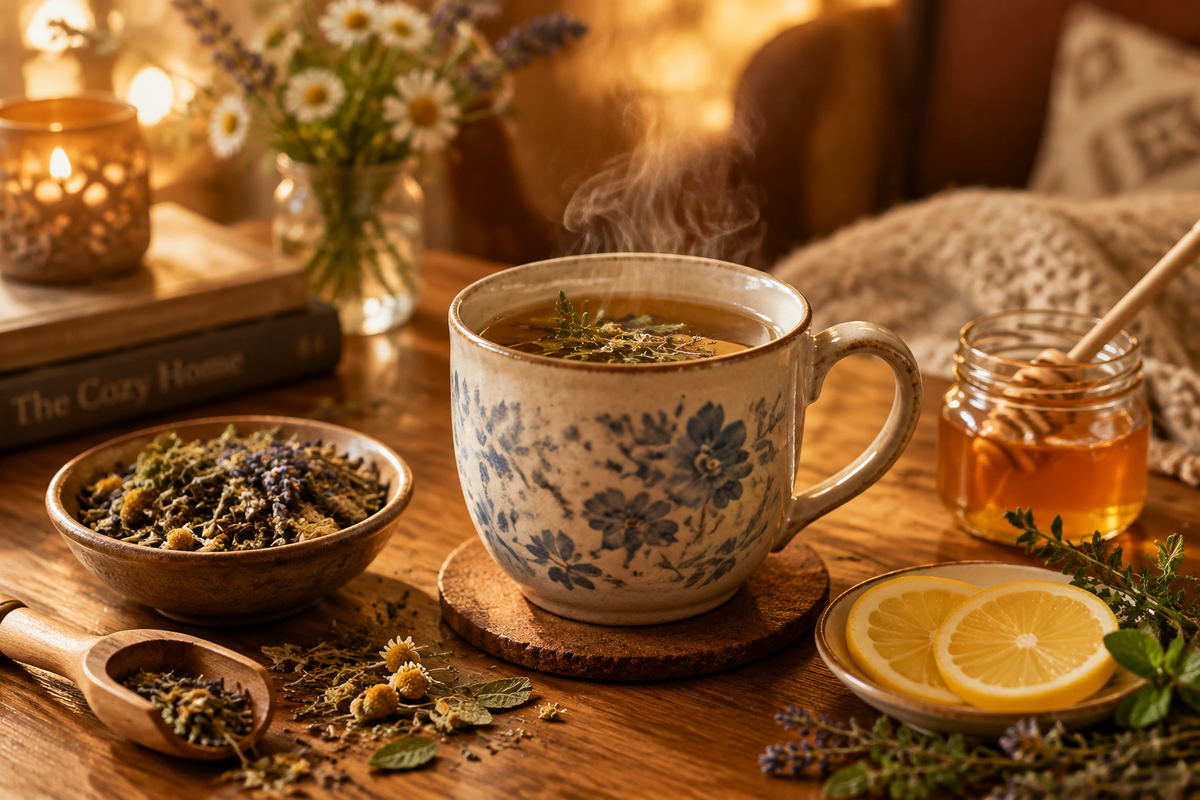
A warm cup of tea after a meal can be a simple way to let digestion settle and give yourself a few quiet minutes. The warmth and fluid can feel soothing on their own, while the right herb can support the particular kind of discomfort that sometimes follows a meal. Peppermint suits bloating and trapped gas, while ginger is a better match for that heavy, overly full feeling. It takes only a few minutes, but it can turn an ordinary cup into a small pause that is yours.
Why a cup after eating can feel so good
There is a practical side to the ritual. Tea adds fluid, and staying well hydrated supports normal digestion. The warmth of the cup can also simply feel comforting when your stomach is full. Then there is the herb itself. If you tend to feel bloated or gassy after eating, peppermint may be helpful because its menthol relaxes the smooth muscle of the digestive tract, making it easier for trapped gas to move.
If meals leave you feeling heavy, slow, or slightly queasy, ginger may be the better choice because it supports stomach emptying. The important part is matching the cup to the feeling. That is what turns tea from a pleasant habit into a more thoughtful one.
The routine takes five minutes
Keep it simple enough that you will actually want to do it. Choose your cup for the meal you just had
Bloated or gassy?
Reach for peppermint. Avodah's Belly Balance is built around peppermint and is naturally caffeine-free, which makes it especially easy to enjoy after dinner.
Heavy or slightly queasy?
Ginger may suit you better. If it is still daytime, Pure Detox brings together ginger and turmeric on a black and green tea base. Because that base contains caffeine, it is better suited to lunch or an earlier meal than a late dinner.
Brew it properly
Pour near-boiling water over your tea and give it time to steep. For many herbal teas, five to seven minutes is a good starting point. A proper steep allows the flavor and aromatic plant compounds to come through instead of rushing the cup.
Then actually sit with it
This might be the most important part of the ritual. Put the phone down. Let the cup warm your hands. Take a few slower breaths. You have already eaten. There is nothing else the cup needs you to accomplish. Just sit with it for a few minutes while you're eating, and perhaps your mind has a chance to settle.
The Avodah Moment
This is where a practical habit becomes something a little more meaningful. So much of a full day is spent pouring outward into work, family, responsibilities, people, plans, and all the small things that need your attention. An after-meal cup creates a natural pause between parts of the day. Not an elaborate wellness routine. Not another task to complete. Just a warm cup and a few minutes of care turned back toward yourself.
That is an Avodah Moment.
After dinner, it might be the point when the kitchen grows quieter and the pace of the day finally begins to soften. You sit down with Belly Balance, let the cocoa-mint warmth settle in, and allow yourself to be nowhere else for a few minutes. The meal settles. The day settles. And so do you.
A simple daytime version
The ritual does not have to belong only to evenings. Maybe lunch was heavier than expected, or you ate between meetings and barely noticed the meal. A warm ginger tea afterward can become a midday reset.
Pure Detox is better suited to this part of the day because its black and green tea base contains caffeine. That makes the ritual less about a fixed time and more about noticing what you need.
Sometimes your Avodah Moment is quiet and evening-soft. Sometimes it is ten minutes between everything else. Both count.
An honest note
Tea can be a lovely support after a meal, but it is not a cure for digestive problems. If you are prone to acid reflux or heartburn, peppermint may make symptoms worse because it can relax the valve that helps keep stomach acid down. Caffeinated blends may also aggravate reflux for some people, so neither Belly Balance nor Pure Detox is automatically the right after-meal choice when reflux is the issue.
And after a large meal, it is generally sensible to stay upright rather than lying down immediately, particularly if you are reflux-prone. If bloating, heaviness, nausea, or other digestive symptoms are constant rather than occasional, look beyond the cup. Our complete guide to tea for digestion can help you identify which type of digestive discomfort you are actually dealing with and when tea may or may not be useful.
Make it a habit
The best rituals are the ones that fit naturally into your life. You do not need to perform the same routine every day. Maybe Belly Balance becomes the cup you reach for after a long family dinner. Maybe Pure Detox sits beside you after a heavy lunch. Maybe some days you simply make a caffeine-free tea because you want something warm while the house gets quiet.
If you like having both digestive options available, the Gut Reset bundle brings together Avodah's digestion teas: caffeine-free Belly Balance for the bloated, gassy moments and Pure Detox for a heavy or sluggish daytime stomach. The tea is useful. But the ritual is bigger than the tea. It is simply a reminder to notice how you feel, choose what you need, and leave a little room in the day for yourself, too.
Frequently asked questions
Is it good to drink tea after a meal?
A warm herbal tea can be a pleasant part of an after-meal routine. It contributes fluid and may feel soothing, while herbs such as peppermint or ginger can suit specific types of digestive discomfort. The right choice depends on how your stomach feels and whether you are sensitive to caffeine or reflux.
What is the best tea to drink after eating?
Choose peppermint when a meal leaves you bloated, gassy, or crampy. Choose ginger when your stomach feels heavy, slow, or slightly queasy. Belly Balance is caffeine-free and works well after dinner, while Pure Detox contains caffeine and is better suited to daytime.
How long after eating should I drink tea?
You do not need to follow an exact timetable. If an after-meal tea feels good to you, enjoy it when you have finished eating and are ready to sit for a few minutes. If you are sensitive to reflux, choose your tea carefully and avoid lying down soon after a large meal.
Does tea after a meal help with bloating?
Peppermint may help with gassy, crampy bloating because menthol helps relax digestive smooth muscle. The strongest clinical evidence comes from concentrated peppermint oil rather than from tea, so a cup of peppermint tea should be considered a gentler option.
What tea can help after overeating?
For a heavy, overly full feeling, ginger may be the better choice because it supports stomach emptying. For a tight, bloated, gassy feeling, peppermint may suit you better. Neither replaces simply giving your stomach time to digest a large meal.


Leave a comment
This site is protected by hCaptcha and the hCaptcha Privacy Policy and Terms of Service apply.